RethinkX | 2 June 2026
Like all medications, GLP-1 drugs and other HOTs come with side effects, and being well-informed about them is an important part of making any decision about use. The good news is that the side effect profile of current GLP-1 drugs is well-characterized after more than a decade of clinical use across tens of millions of people, and serious adverse events are relatively uncommon.
The most frequently reported side effects are gastrointestinal including nausea, vomiting, diarrhea, constipation, and stomach discomfort, particularly during the dose escalation phase when patients are first starting or increasing their dose. These effects are generally temporary and tend to diminish as the body adjusts. Slower dose titration, taking the drug with food, and staying well hydrated all help manage them. For a minority of users, gastrointestinal side effects are severe enough to lead to discontinuation.
Beyond the gastrointestinal effects, a number of other side effects have been reported and are worth understanding. Muscle loss is among the most clinically significant as up to 40% of total weight reduction on semaglutide can come from lean mass rather than fat, which is particularly concerning for older adults already at risk of sarcopenia. This is precisely the problem that myostatin and activin blocking drugs are positioned to address in next-generation combination HOTs.
Some users report fatigue, particularly early in treatment. A subset report anhedonia, a reduced ability to experience pleasure, likely related to the same dopamine pathway modulation that reduces food cravings, and this effect appears to be dose-dependent. Some users experience what has been described as "Ozempic face," the appearance of facial aging from rapid fat loss, and more broadly, skin laxity following significant weight reduction. There are also reports of hair thinning in some users, generally temporary and associated with rapid weight loss rather than the drug itself.
Rare but more serious risks include pancreatitis, gallbladder disease, and changes in heart rate. People with a personal or family history of medullary thyroid cancer or multiple endocrine neoplasia syndrome type 2 are advised not to use GLP-1 drugs due to animal study findings, though a causal link in humans has not been established. These are among the reasons that GLP-1 drugs require a prescription and ongoing medical supervision.
The psychological dimension deserves specific mention. The majority of HOT users report improvements in mental health and wellbeing, which is an unsurprising consequence of improved physical health, greater energy, and increased self-confidence. However, a minority of users report difficult psychological experiences, including depression and anxiety, and some struggle with the identity adjustment that can accompany rapid physical transformation when significant aspects of self-image were previously tied to their body weight.
For myostatin and activin blocking drugs, the side effect profile is still being characterized, though early clinical trial data are encouraging and have not shown the serious androgenic or cardiovascular harms associated with anabolic steroids. Long-term safety data in healthy adults are still accumulating.
Side effect research is a rapidly evolving area. New findings emerge regularly as the user population grows and longer-term data accumulate, and the picture for newer drugs and combinations is still coming into focus.
As always, none of this constitutes medical advice, and any decision about HOT use should be made in consultation with a qualified physician who can assess your individual health profile and risk factors.
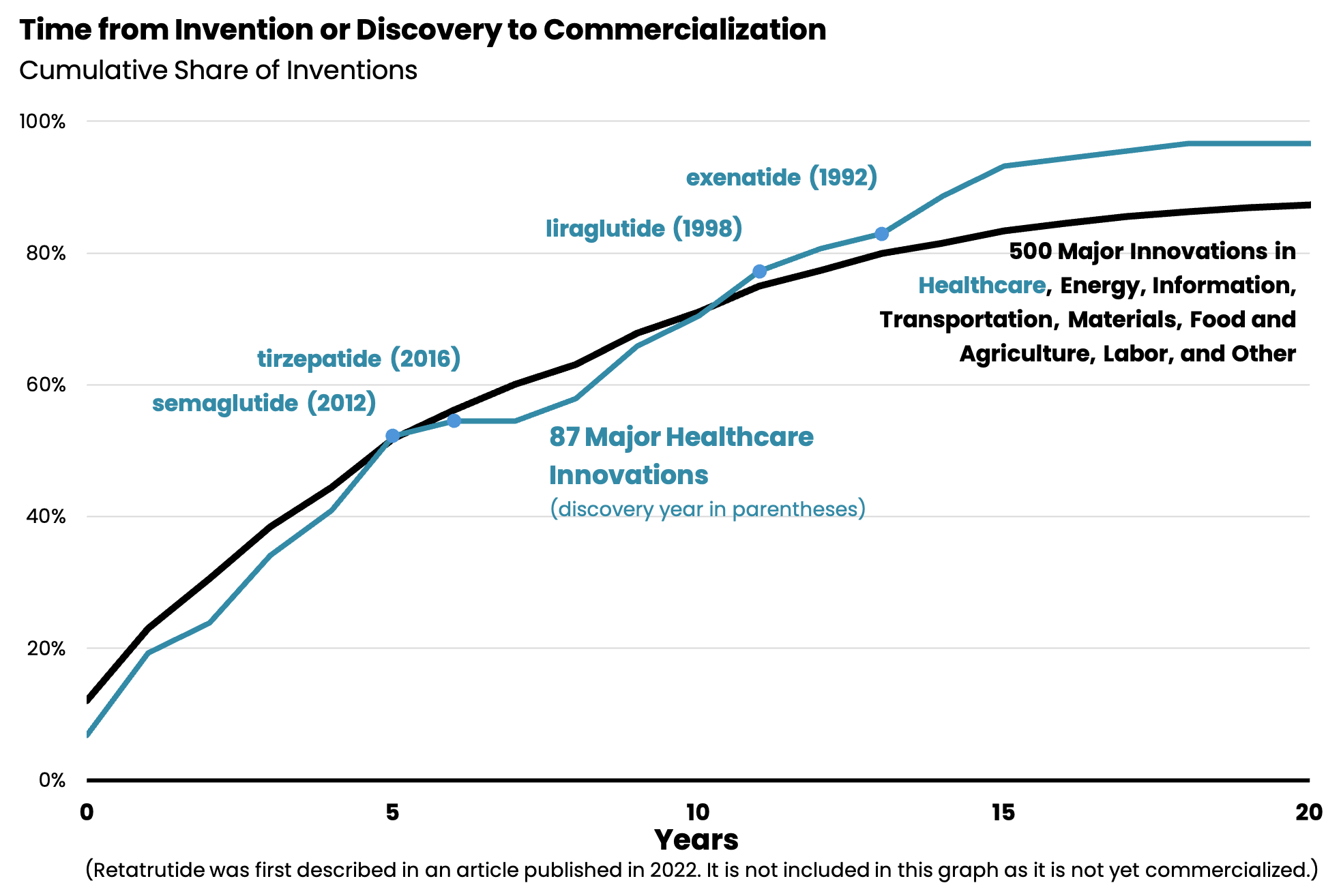
We are entering a new era of healthcare based on a categorically different kind of medicine whose purpose is not just to save us from illness, but to help us be the best version of ourselves.
The next generation of HOTs will trigger a multi-trillion-dollar global disruption, affecting dozens of industries across multiple sectors, driving a radical global improvement in health and wellness encompassing at least 1 billion people worldwide before 2040.
Optimizing well with advanced HOTs will soon become as important as eating well with nutritious foods. Nations, industries, and individuals that recognize this early and act decisively will be best positioned to capture the extraordinary benefits of this transformation.
Learn more about the HOT disruption and its implications for health, society, and the economy.
Disclaimer
The information provided in this FAQ is for general informational and educational purposes only and is not intended to constitute medical advice, diagnosis, or treatment. This content does not establish a doctor-patient relationship. The content regarding GLP-1 receptor agonists (or any other medical treatments) should not be used as a substitute for professional medical advice. Always seek the advice of your physician or other qualified health provider with any questions you may have regarding a medical condition or treatment options. Never disregard professional medical advice or delay in seeking it because of something you have read here. The authors and publishers of this FAQ and related report make no representation or warranty, express or implied, regarding the accuracy, adequacy, validity, reliability, availability, or completeness of any information presented. Reliance on any information provided here is solely at your own risk.